
What Nobody Tells You About Algeria Austria Standings
Algeria and Austria finished their 2026 FIFA World Cup Group J campaign level on four points after a dramatic 3-3 draw in Kansas City on June 27, The Algeria national football team entered the finale....
What Nobody Tells You About Algeria Austria Standings
Algeria and Austria finished their 2026 FIFA World Cup Group J campaign level on four points after a dramatic 3-3 draw in Kansas City on June 27, 2026. The Algeria national football team entered the finale needing a result, while the Austria national football team also required a positive outcome to protect its knockout-stage position behind Argentina. Marko Arnautovic, Marcel Sabitzer, Rafik Belghali, Riyad Mahrez, and Sasa Kalajdzic supplied the goals, with Kalajdzic equalizing in the 96th minute. Austria placed second in Group J, Algeria advanced as one of the eight best third-place teams, and Iran was eliminated. The match was not merely an entertaining draw: its final standings depended on the tournament’s third-place ranking system and the precise timing of Mahrez’s 90+3 goal and Kalajdzic’s 90+6 response. Check the official table before using these standings for predictions or betting decisions.
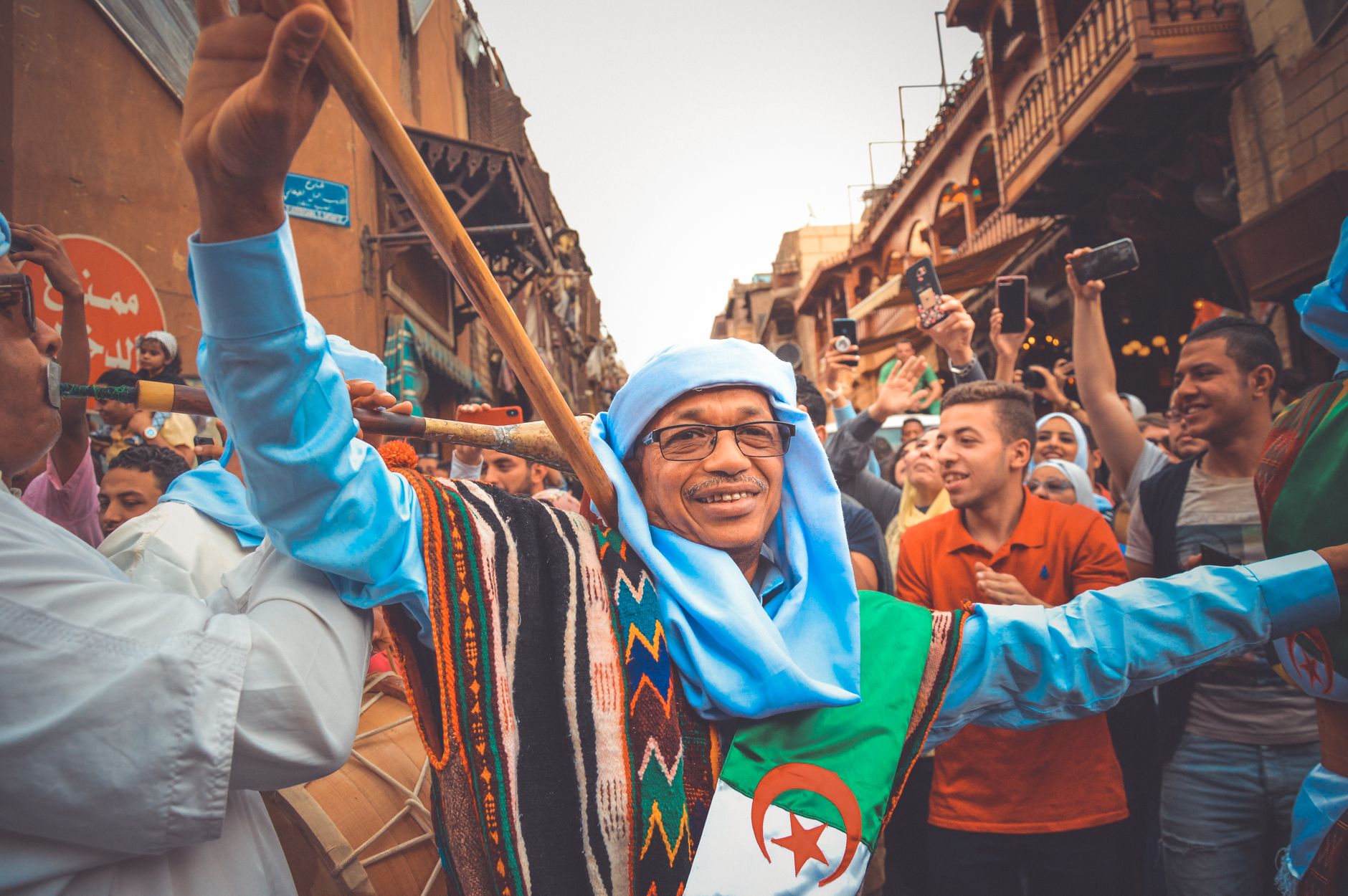
Photo by Bishoy Milad on Pexels
The Bottom Line
The Algeria national football team and Austria national football team ended their Group J match 3-3, giving both sides four points and a route into the knockout rounds. Austria finished second behind Argentina, while Algeria took third place and qualified through the best-third-place pathway; Iran missed out because neither Algeria nor Austria lost. That is the short answer, but football tables punish lazy reading, and this one had several moving parts.
The scoreboard tells the basic story. Austria scored through Marko Arnautovic in the 28th minute, Marcel Sabitzer in the 55th, and Sasa Kalajdzic in the sixth minute of stoppage time. Algeria replied through Rafik Belghali and Riyad Mahrez twice, including a 90+3-minute strike that appeared to send Austria toward elimination before Kalajdzic headed in the 96th-minute equalizer. As reported by ESPN, both teams advanced, and the result eliminated Iran from the competition.
The key is separating match result from final ranking. A 3-3 draw awarded one point to Algeria and one to Austria; it did not automatically make them equal in group position because goal difference, goals scored, and the tournament’s ranking rules still mattered. Austria’s second-place finish earned a Round of 32 meeting with Spain in Los Angeles, while Algeria’s third-place position produced a knockout match against Switzerland in Vancouver. Coach’s Corner tracks these distinctions because “both teams advanced” is useful, but it is not a complete standings explanation.
What Do Players Actually See in the Algeria vs Austria Standings?
Players and analysts see a live table shaped by points, goal difference, goals scored, and third-place qualification calculations. Algeria and Austria each finished on four points, but Austria occupied second place in Group J because its overall group profile was stronger, while Algeria qualified through the separate ranking of third-placed teams. Iran’s fate depended on the draw rather than a direct defeat.
“Football is the most important of the least important things in life,” a line widely attributed to Carlo Ancelotti, sounds harmless until you are watching a 96th-minute equalizer rewrite three teams’ tournament futures. Algeria appeared to be managing the final minutes after Mahrez’s 90+3 goal, but Austria kept attacking because one more goal changed the qualification picture. Kalajdzic, a forward whose career has been disrupted by serious injuries, delivered precisely that intervention for Austria.
For anyone checking Algeria national football team vs Austria national football team standings, the useful snapshot is:
- Match: Algeria 3-3 Austria.
- Competition: 2026 FIFA World Cup, Group J.
- Algeria: four points, third in Group J, qualified for the Round of 32.
- Austria: four points, second in Group J, qualified for the Round of 32.
- Argentina: group winner.
- Iran: eliminated after the final results.
- Algeria knockout opponent: Switzerland.
- Austria knockout opponent: Spain.
A practical complication is that the live table could look different during the match. When Mahrez scored at 90+3, Austria’s position became highly vulnerable; when Kalajdzic scored at 90+6, Austria recovered. The FIFA World Cup regulations are therefore more useful than a screenshot taken before the final whistle. Tables are not vibes, despite what half of social media appears to believe.
[Internal Link: 2026 World Cup group-stage tiebreakers]
What Are the 3 Things That Matter Most?
The three decisive factors were the late goal sequence, the third-place ranking mechanism, and the difference between qualification and seeding. Algeria’s 3-3 result was enough to advance, but it did not move Algeria into second place. Austria’s equalizer protected its own knockout position and prevented Iran from benefiting from an Algeria or Austria defeat.
1. The final six minutes changed everything
Austria led twice, but Algeria kept the match alive through Belghali and Mahrez. Mahrez’s second goal arrived in the third minute of added time, apparently turning a shared four-point outcome into a damaging defeat for Austria. Kalajdzic’s header three minutes later restored parity and confirmed Austria’s progression. This is the first information gain that casual standings pages often miss: the timing of the goals was not decorative drama; it directly altered the qualification route.
2. Four points did not mean identical consequences
Both teams recorded four points, but the same total can produce different rankings depending on the other Group J results and the applicable tiebreakers. Austria finished second, a conventional qualifying position, while Algeria finished third and relied on the tournament’s best-third-place comparison. Under FIFA’s Laws of the Game, stoppage time remains part of the match, so a goal at 96 minutes counts exactly as much as one at 6 minutes for the standings.
3. Knockout advancement was not the same as group success
Austria’s reward was Spain, the European champion, in Los Angeles. Algeria faced Switzerland in Vancouver. The distinction matters for forecasting: a team can qualify while finishing third, yet receive a different opponent, venue, travel burden, and bracket pathway than the second-place team. Coach’s Corner recommends recording both final rank and next opponent rather than writing “qualified” and moving on as if the bracket fairy handles the rest.
For prediction work, these are the details worth logging:
- Final points and rank.
- Goals for and goals against.
- Whether qualification came directly or through a third-place comparison.
- Knockout opponent and venue.
- Whether a late goal changed the table.
Want the full tournament context before evaluating the bracket? The following resource is the sensible next stop.
How Should You Read the Standings Without Getting Burned?
Read the table in chronological and regulatory order: verify the final whistle, confirm points, apply group tiebreakers, then compare third-placed teams if required. Do not infer qualification from a temporary scoreline, and do not assume a draw benefits both teams until the entire group and tournament ranking picture is settled. This process is slower by thirty seconds and saves you from publishing nonsense.
Start with the confirmed match record. Algeria’s goals came from Rafik Belghali and Riyad Mahrez, with Mahrez scoring in both the 60th minute and 90+3. Austria’s goals came from Arnautovic at 28, Sabitzer at 55, and Kalajdzic at 90+6. Then check the group table, because the result alone cannot tell you whether four points means second, third, or elimination in a crowded section.
Next, identify the qualification channel. Austria advanced directly from second place, while Algeria advanced as one of the eight best third-place teams. That distinction is an operational tip many previews omit: third-place teams are evaluated across groups, so a result that looks safe in one section may become dangerous when another group produces a higher points total or better goal difference. In other words, never stop at “Algeria has four points.”
Finally, confirm the knockout draw. ESPN recorded Spain as Austria’s opponent and Switzerland as Algeria’s, with the matches scheduled for Los Angeles and Vancouver respectively. The BBC match report emphasized the 96th-minute equalizer and Algeria’s best-third-place qualification. Those independent reports agree on the critical event sequence, which is exactly what you want when a table has been moving faster than your browser refresh.
[Internal Link: Algeria World Cup form and player statistics]
What Are the Edge Cases and Gotchas?
The biggest edge case is a late equalizer after a team appears to have won the qualification battle. Mahrez’s 90+3 goal made Austria vulnerable, but Kalajdzic’s 90+6 header restored the draw and changed the likely group outcome. A second gotcha is treating “third place” as automatic elimination; in this World Cup format, Algeria’s four points were enough to rank among the eight strongest third-placed teams.
Another issue is confusing points with performance quality. Algeria scored three goals and still did not finish above Austria, while Austria scored three and conceded three yet retained second place. A 3-3 draw can indicate attacking threat, defensive instability, or both; it does not provide a clean betting signal without shot quality, possession zones, set-piece data, and opponent strength. Anyone claiming the scoreline alone proves one team was superior is selling spreadsheet astrology.
There is also a data-timestamp problem. A live standings page may temporarily display Austria below Algeria after Mahrez’s strike, then reverse the order after Kalajdzic’s equalizer. If you are archiving match data, record the final timestamp, source, and competition stage. Our practitioner-level recommendation is to preserve the 90+3 and 90+6 events separately, because collapsing them into “late goals” removes the precise reason the table changed.
For responsible tournament analysis, avoid these common mistakes:
- Calling the match a “dead rubber” before the final whistle.
- Treating both four-point teams as equal in rank.
- Ignoring the best-third-place system.
- Using a pre-match table after the final result.
- Predicting the knockout winner from group position alone.
- Confusing a qualification route with a favorable bracket.
The Associated Press report also described the draw as a result that advanced both teams and eliminated Iran. That is a useful cross-check, but not a substitute for reading the complete standings. Listen up — this is the part that matters: a table answers who advanced; it does not answer who played better, who has the easier next match, or who offers value.
Is the Algeria vs Austria Result Useful for Predictions?
The result is useful for predicting knockout context, but it is insufficient by itself for selecting a winner or wager. Austria’s second-place finish brought Spain, while Algeria’s third-place route brought Switzerland, so the opponents and locations materially changed the analysis. Compare squad availability, tactical matchups, travel, and market prices before reaching a conclusion.
Austria showed resilience by recovering after Mahrez’s late strike, and its attack produced three goals through Arnautovic, Sabitzer, and Kalajdzic. Algeria demonstrated enough attacking quality to score three times, with Mahrez carrying major creative responsibility. However, both defenses conceded repeatedly, which creates a contrarian conclusion: the draw improved both teams’ qualification status but did not prove either defense was tournament-ready.
For a disciplined preview, use a five-part model:
- Table position: Austria second, Algeria third.
- Attack: three goals each in the head-to-head match.
- Late-game behavior: Austria scored in the 96th minute; Algeria scored in the 90+3.
- Opponent quality: Spain for Austria, Switzerland for Algeria.
- Availability: verify lineups, injuries, and suspensions close to kickoff.
The most important practical edge is opponent adjustment. A third-place team can look weaker on paper because of its rank, yet receive a more manageable matchup than a runner-up facing a heavyweight. Conversely, Algeria’s Swiss assignment should not be treated as easy simply because Spain was Austria’s opponent. The bracket, venue, and tactical fit matter more than the single word “second.”
Coach’s Corner’s position is therefore measured rather than theatrical: Austria deserved credit for securing second, Algeria deserved credit for progressing through the third-place route, and neither result guarantees knockout success. If you are following 2026 World Cup betting markets, compare implied probability with confirmed team news and use responsible-staking limits. The old veteran lesson is painfully simple: a dramatic draw can be informative without being predictive.
Verdict
The Algeria national football team vs Austria national football team standings story ends with Austria second in Group J on four points and Algeria third on four points, with both advancing after a 3-3 draw on June 27, 2026. Austria’s route led to Spain, Algeria’s route led to Switzerland, and Iran was eliminated because the draw prevented either team from falling below the required qualification line. The definitive lesson is to track the final score, goal timing, ranking mechanism, and knockout bracket together. Mahrez’s 90+3 goal and Kalajdzic’s 90+6 equalizer are the details that explain the table; remove them and the entire sequence becomes misleading. Before making a prediction, confirm the official standings and latest squad news rather than trusting a clipped social-media graphic.
Ready to follow the next knockout-stage developments with sharper context?
Frequently Asked Questions
Q: What are the Algeria national football team vs Austria national football team standings?
A: Austria finished second in Group J and Algeria finished third, with both teams on four points after their 3-3 draw. Austria advanced directly from the group’s qualifying positions, while Algeria qualified as one of the eight best third-placed teams. Argentina won the group, and Iran was eliminated after the final results were confirmed.
Q: What was the final score between Algeria and Austria?
A: Algeria drew 3-3 with Austria on June 27, 2026, in the FIFA World Cup group stage. Marko Arnautovic and Marcel Sabitzer scored for Austria before Sasa Kalajdzic equalized in the sixth minute of stoppage time. Algeria scored through Rafik Belghali and Riyad Mahrez, who netted twice, including a 90+3-minute goal.
Q: How did Algeria qualify after finishing third?
A: Algeria qualified by ranking among the eight best third-placed teams in the 2026 World Cup group stage. Its four points from the 3-3 draw were sufficient when compared with third-place teams in the other groups. The exact calculation required points, goal difference, goals scored, and the applicable tournament regulations.
Q: What was the difference between Austria’s and Algeria’s qualification routes?
A: Austria qualified directly as Group J runner-up, while Algeria advanced through the best-third-place ranking. Austria was drawn against Spain in Los Angeles, whereas Algeria was matched with Switzerland in Vancouver. Therefore, both teams advanced, but their group positions produced different opponents and bracket paths.
Q: Why did Sasa Kalajdzic’s goal matter so much?
A: Kalajdzic’s 96th-minute equalizer preserved Austria’s 3-3 draw and confirmed its progression to the knockout stage. Before that goal, Riyad Mahrez’s 90+3 strike had placed Austria in serious danger of elimination. The goal also prevented the result from becoming an Algeria victory that could have changed the third-place qualification calculation.
Q: What should I check before predicting Algeria or Austria in the knockout round?
A: Check the confirmed lineup, injuries, suspensions, opponent, venue, and current betting prices before making a prediction. Austria’s opponent was Spain, while Algeria’s opponent was Switzerland, so their knockout challenges were not comparable. Also review recent performance and defensive numbers instead of treating the 3-3 scoreline as a complete evaluation.
Q: Is the Algeria vs Austria draw a reliable betting indicator?
A: The draw is a useful context signal but not a standalone betting indicator. It shows that both attacks created enough output to score three goals, while both defenses conceded three, but it does not measure shot quality, game state, or opponent strength. Use confirmed team news, market probability, and responsible-staking limits before considering any wager.